About Olive Trees

  • Scientific Name: Olea europaea

  • Family: Oleaceae

  • Common Name: Olive Tree

  • Native Region: Mediterranean Basin, parts of Asia and Africa

  • Type: Evergreen, long-lived fruit tree, cultivated for its olives and oil for thousands of years


Key Features

  1. Size: Typically 8–15 meters (25–50 feet) tall, but often pruned shorter in cultivation.

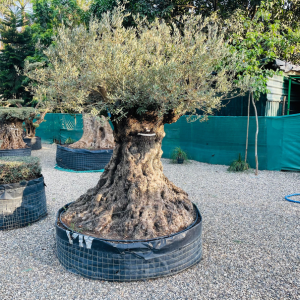
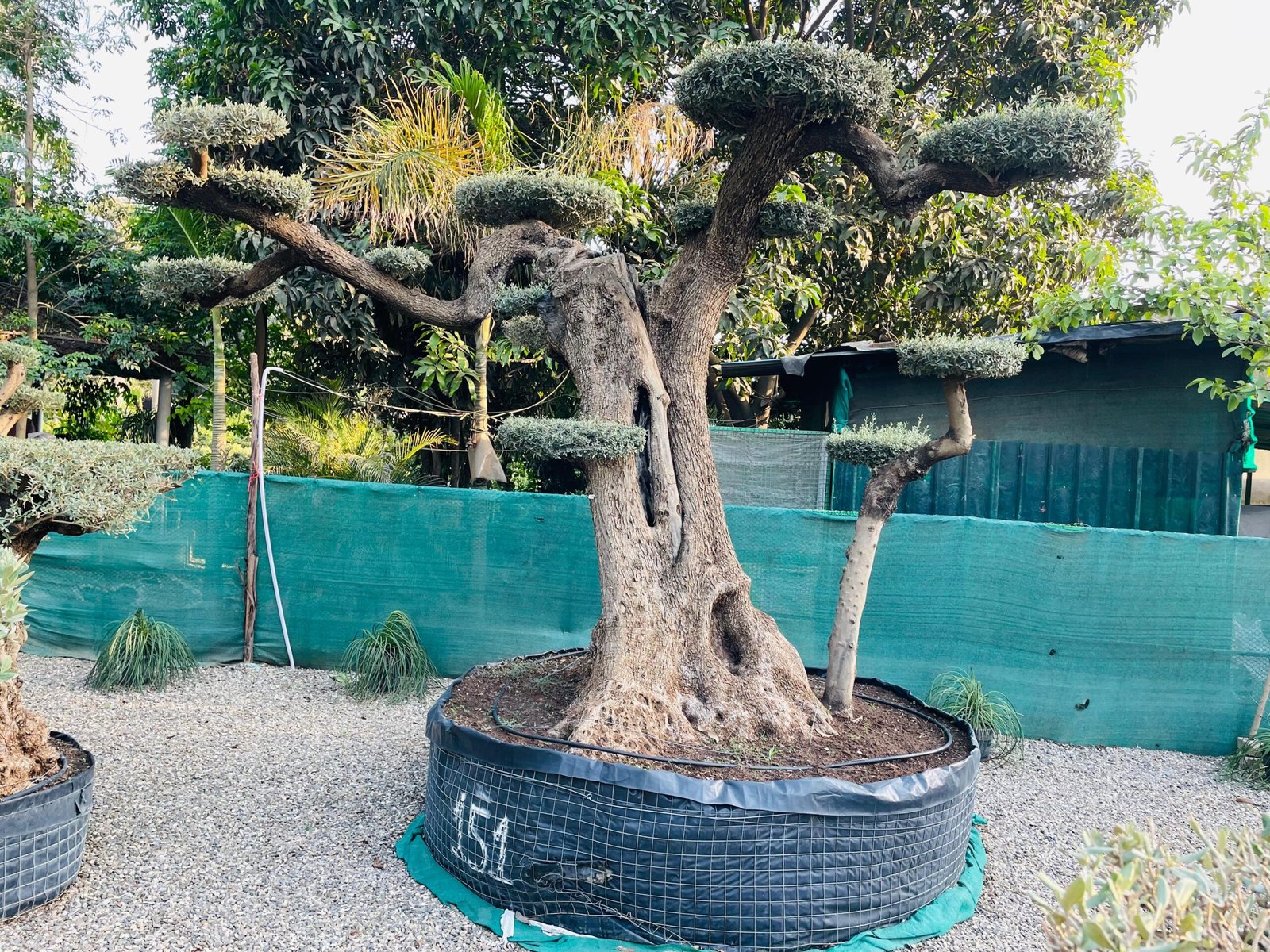
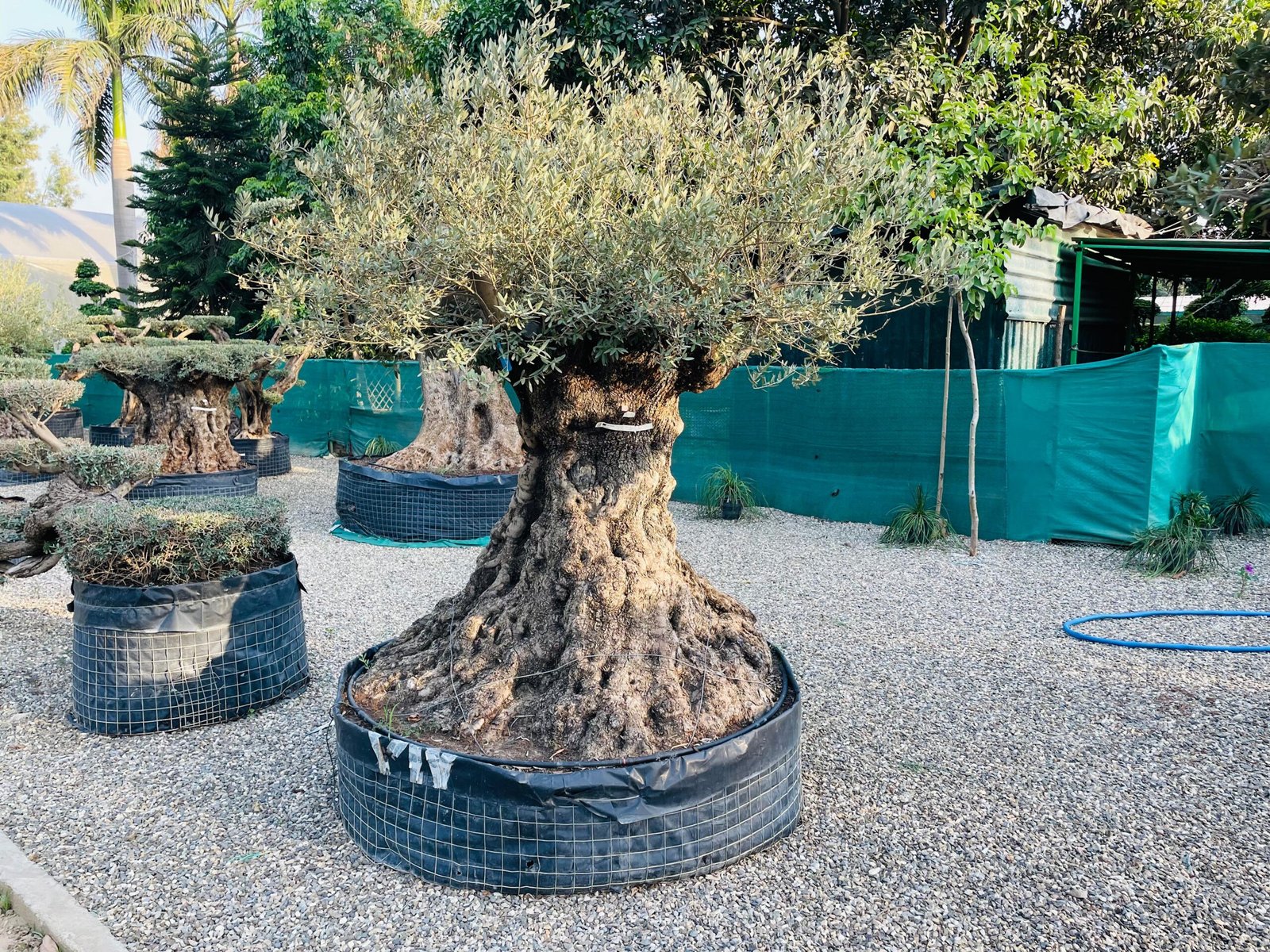
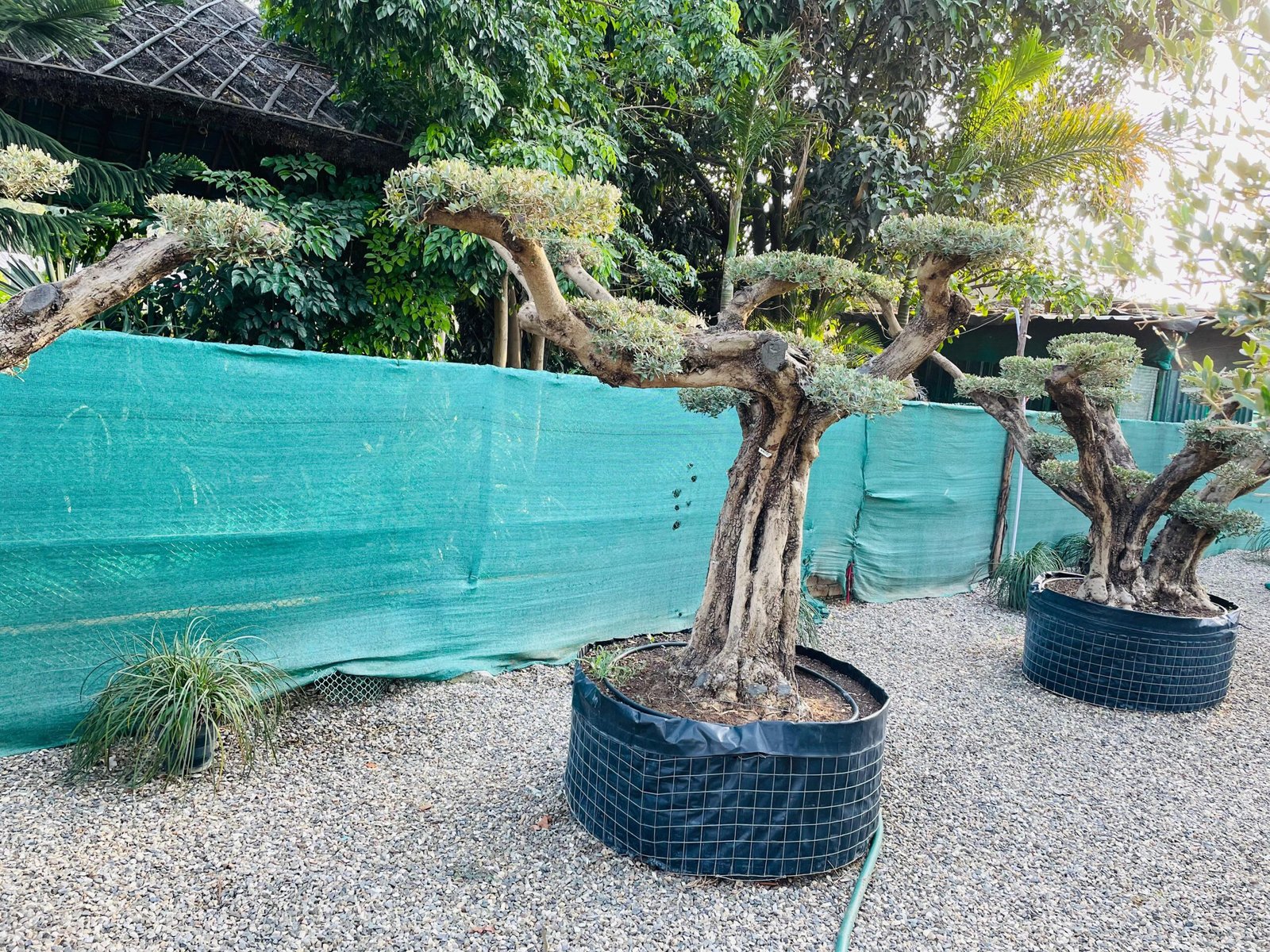
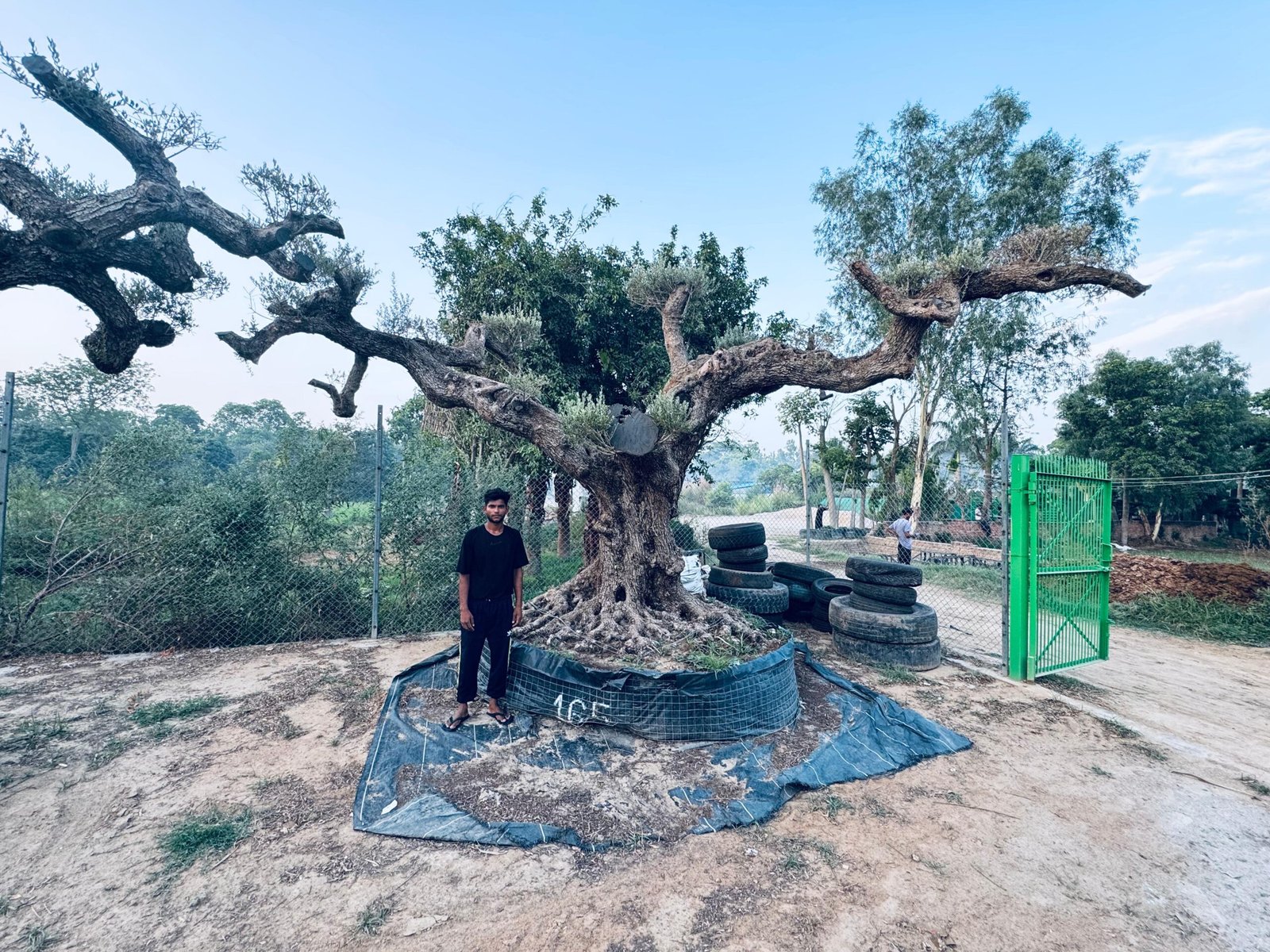
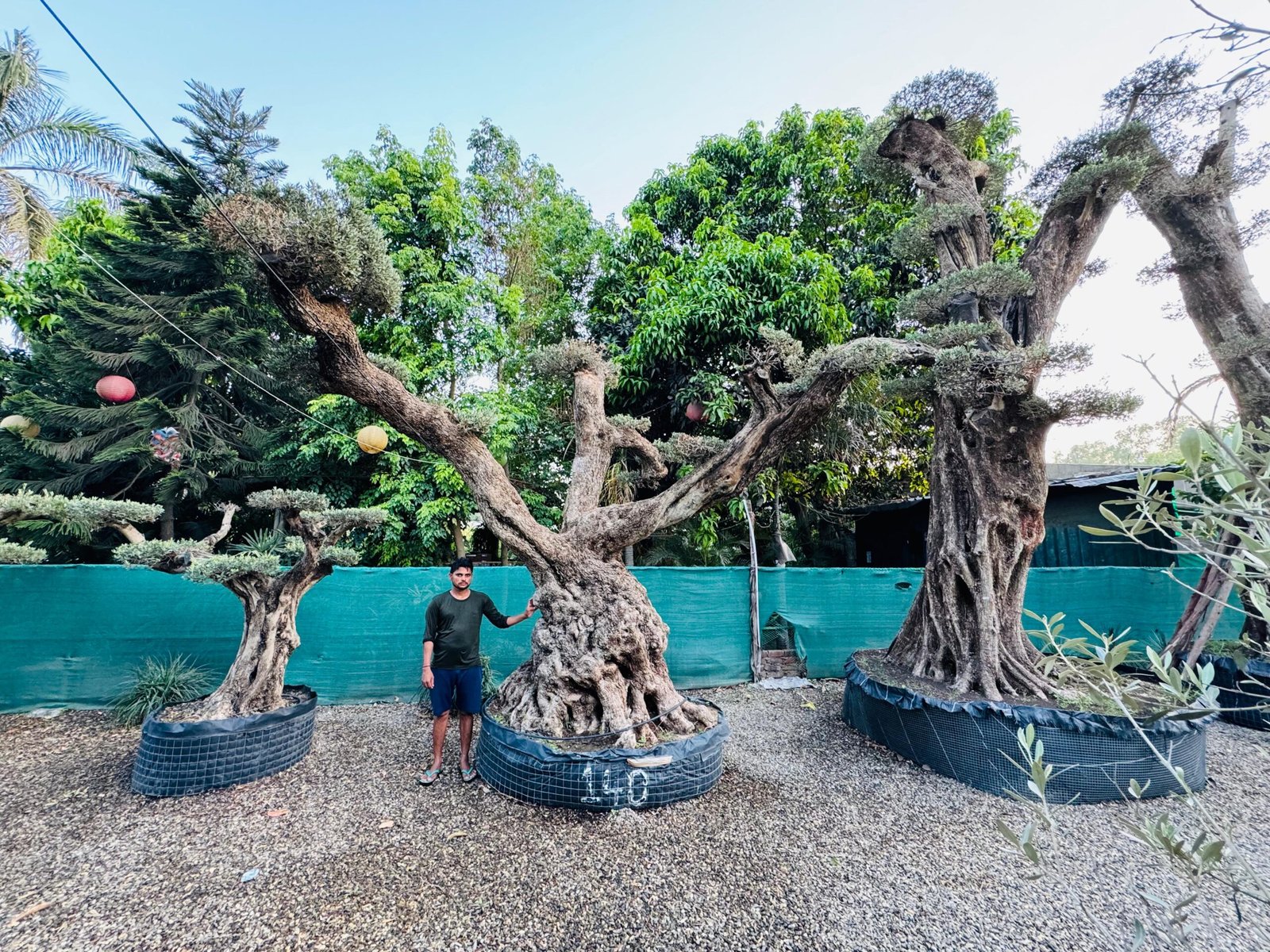
  2. Trunk: Thick, gnarled, and twisted with age; older trees can look sculptural.

  3. Leaves:

    • Narrow, lance-shaped, gray-green on top, silvery underneath.

    • Evergreen, lasting several years before being replaced.

  4. Flowers:

    • Small, white to creamy, fragrant clusters.

    • Appear in late spring.

  5. Fruits (Olives):

    • Small drupes (1–3 cm long), green when young, turning black or purple when ripe.

    • Used for eating (table olives) and for pressing into olive oil.

Growth and Cultivation

  • Soil: Prefers well-drained, sandy or rocky soil; tolerates poor, calcareous soils.

  • Sunlight: Requires full sun.

  • Water: Drought-tolerant but benefits from regular watering during fruiting.

  • Climate:

    • Thrives in Mediterranean climates with hot, dry summers and mild, wet winters.

    • Tolerates some frost, but prolonged freezing damages trees.

  • Lifespan: Extremely long-lived; some trees are believed to be over 1,000 years old.


Ecological and Cultural Importance

  • Food:

    • Olives are eaten fresh, pickled, or cured.

    • Olive oil is one of the healthiest and most widely used edible oils.

  • Economic Importance: Major agricultural product in Mediterranean countries such as Spain, Italy, Greece, and Turkey.

  • Cultural Significance:

    • Symbol of peace, wisdom, and prosperity in many cultures.

    • Featured in ancient Greek and Roman traditions, as well as biblical references.

  • Wood: Dense and beautifully grained, used for furniture, carvings, and kitchenware.