About Ficus

  • Family: Moraceae (Mulberry family)

  • Common Name: Fig trees, banyan trees, rubber fig, strangler figs (varies by species)

  • Diversity: One of the largest genera of woody plants, with over 850 species of trees, shrubs, vines, epiphytes, and hemiepiphytes.

  • Native Regions: Tropical and subtropical regions worldwide, especially Asia, Africa, and the Americas.


Key Features of Ficus Species

  1. Habit: Can be large canopy trees, shrubs, vines, or epiphytes (plants that grow on other plants).

  2. Leaves: Usually evergreen, simple, leathery leaves with milky latex when cut.

  3. Roots: Many species have aerial roots (e.g., banyan trees) that grow downward and form secondary trunks.

  4. Flowers & Fruits:

    • Flowers are tiny and hidden inside a specialized structure called a syconium (fig fruit).

    • The “fruit” is actually a fleshy receptacle containing multiple small flowers inside.

    • Many are pollinated by unique species of fig wasps in a one-to-one relationship.

  5. Size: Ranges from small houseplants to massive trees over 30 meters tall.

Well-Known Species

  1. Ficus benghalensis – Banyan tree, famous for aerial prop roots forming large canopies.

  2. Ficus religiosa – Sacred fig or Peepal tree, worshipped in India, with heart-shaped leaves.

  3. Ficus carica – Common fig, cultivated for edible figs.

  4. Ficus elastica – Rubber plant, popular as an ornamental indoor plant.

  5. Ficus lyrata – Fiddle-leaf fig, a trendy indoor decorative plant with large violin-shaped leaves.

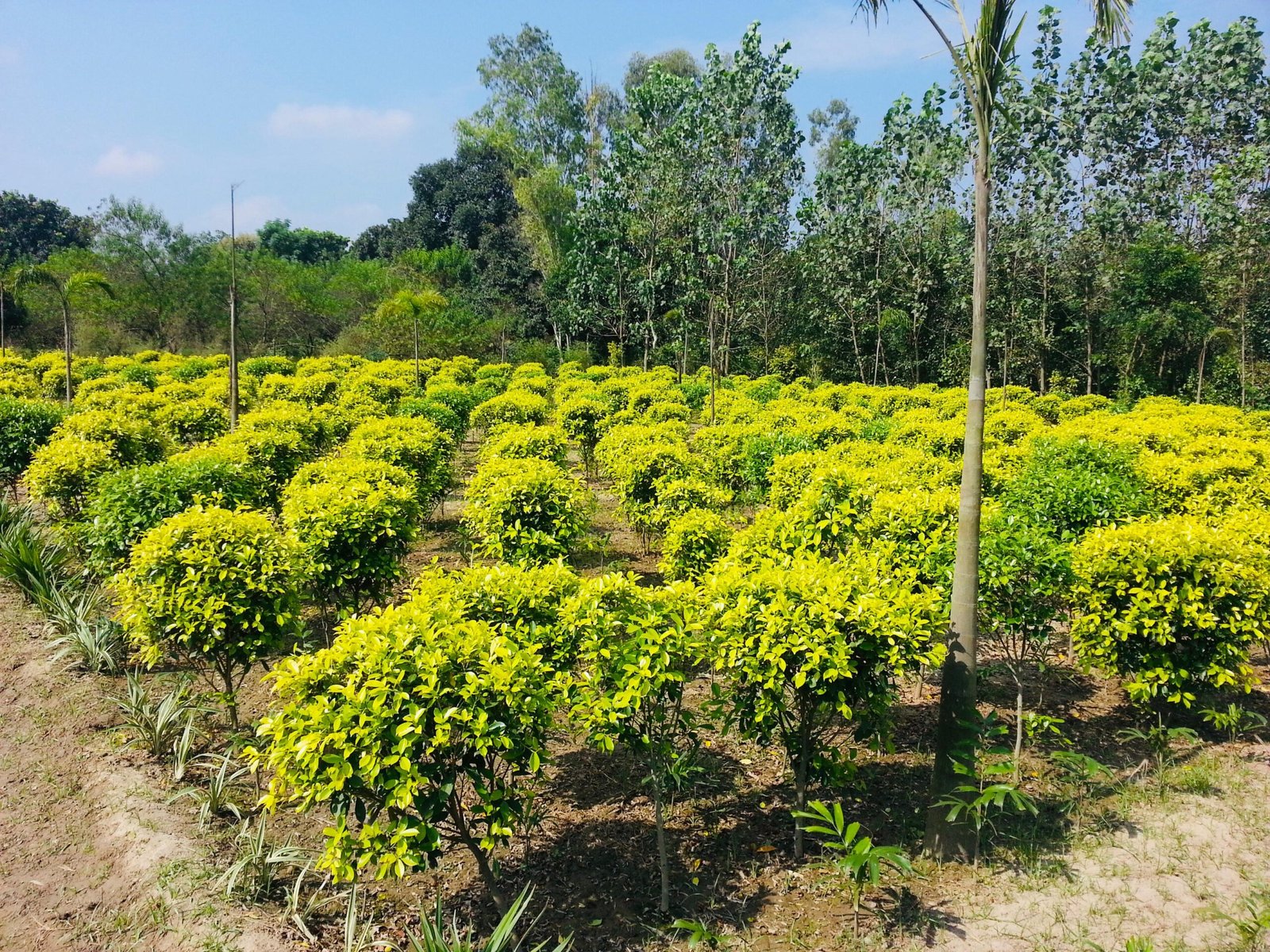
  6. Ficus microcarpa – Indian laurel fig, often used for bonsai and landscaping.

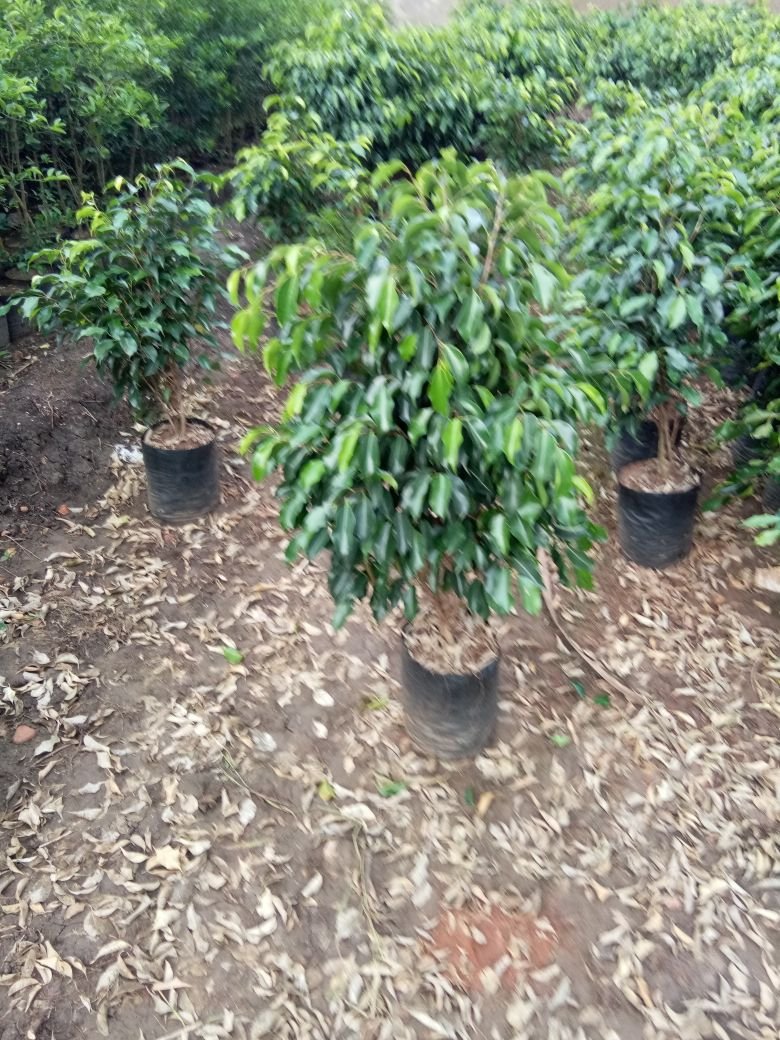
  7. Ficus benjamina – Weeping fig, common as a decorative indoor tree.


Ecological and Cultural Importance

  • Ecological Role:

    • Keystone species in tropical ecosystems, providing fruit (figs) year-round for birds, bats, and other animals.

    • Unique mutualism with fig wasps ensures survival of both species.

  • Cultural Significance:

    • Sacred in many religions (Bodhi tree under which Buddha attained enlightenment).

    • Widely used in traditional medicine.

  • Economic Uses:

    • Edible fruits (Ficus carica).

    • Latex production (historically from Ficus elastica).

    • Ornamental uses in landscaping and as indoor plants.