Beaucarnea: Elegance and resilience at plantas.net
Beaucarnea , also known as Elephant's Foot , is a highly ornamental plant, prized for its swollen trunk, cascading foliage, and incredible drought resistance . Native to Mexico and Central America , this plant is ideal for interior decoration, terraces, and xerophytic gardens , thanks to its low maintenance and longevity .
Its ability to store water in its trunk and its slow growth make it a perfect choice for modern spaces and low-water gardens . Its attractive architectural design, combined with its ease of care, makes it one of the most popular plants in contemporary landscaping and minimalist decor .
In this article, you'll learn all about the history, origin, description, and benefits of growing Beaucarnea . You can also purchase this spectacular plant with a quality guarantee and direct shipping to your home at our specialty store, plantas.net .
Explore the world of Beaucarnea and add an exotic and sophisticated touch to your home or garden!
Beaucarnea: History and origin
The genus Beaucarnea belongs to the Asparagaceae family and is native to Mexico and Central America , where it grows in semi-arid and warm areas .
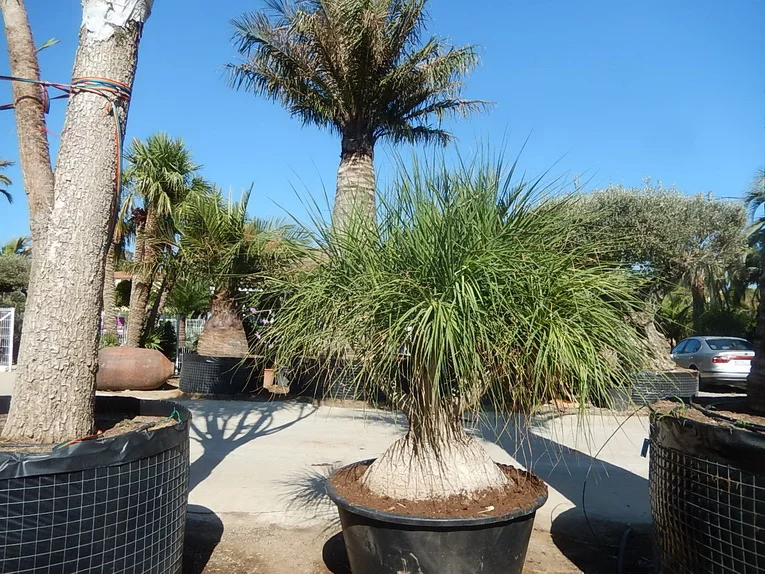
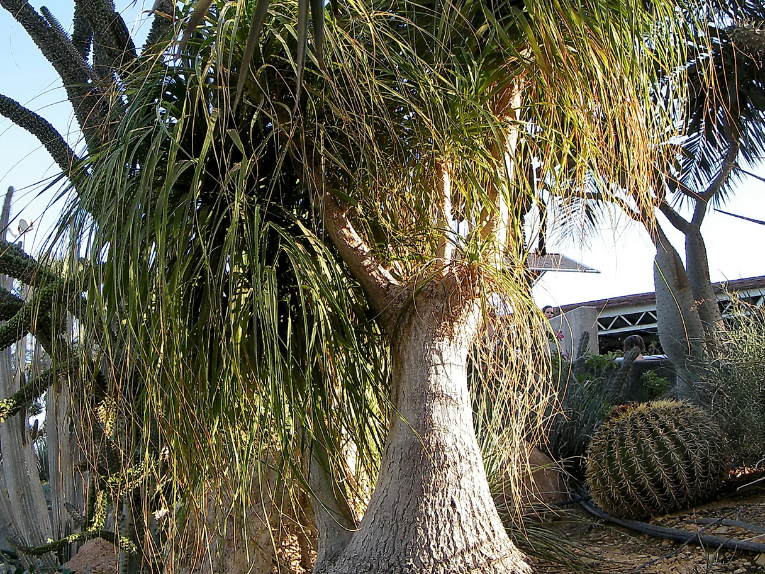
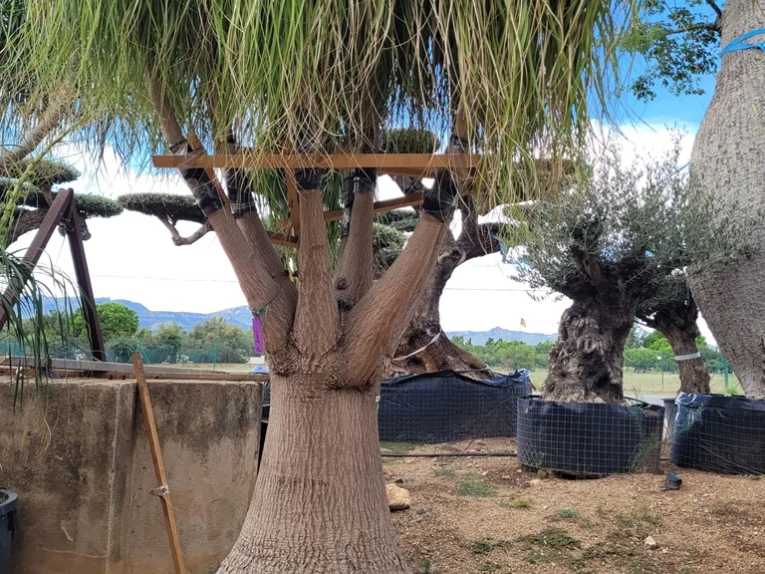
Within this genus, the best-known species is Beaucarnea recurvata , commonly called Elephant's Foot , due to its characteristic trunk widened at the base , which allows it to store water and withstand long periods of drought .
Historically, Beaucarnea has been valued for a variety of reasons:
- Ornamental plant in gardens and interior spaces , due to its unique aesthetics and resistance.
- Symbol of longevity , as it can live more than 100 years in suitable conditions.
- Used in ecological restoration , due to its ability to survive in poor and dry soils.
Thanks to its great adaptability and resistance , the Beaucarnea has been introduced in various parts of the world, including:
- Mediterranean Europe (Spain, Italy, Portugal): Cultivated as an indoor plant and in dry gardens.
- United States and Australia: Popular in minimalist gardening and xeriscaping.
- Asia and South America: Used in modern landscaping and low-maintenance gardens.
Description of the Beaucarnea
The Beaucarnea is a sculptural and resistant plant , with unique characteristics that make it an essential element in gardening and decoration.
- Variable height: It can grow from 50 cm in a pot to more than 5 meters outdoors over the years.
- Trunk thickened at the base: Acts as a water reserve , giving it its characteristic appearance and allowing it to resist drought.
- Long, thin leaves: Deep green in color , with a rosette arrangement that creates a cascading appearance.
- Extremely slow growing: It can take decades to reach its maximum size, making it a low-maintenance plant .
- Discreet flowering: In mature specimens, it can produce inflorescences with small white or creamy flowers .
- Climate resistance: It tolerates high temperatures, drought and poor soils , making it perfect for bright interiors and dry outdoor gardens .
Thanks to its elegant natural design and ease of care , Beaucarnea is an excellent choice for contemporary spaces, sunny terraces and offices with natural light .
Distribution and habitat of the Beaucarnea
Beaucarnea is native to Mexico and Central America , where it thrives in semi-arid regions with poor soil and limited water availability. Its ability to store water in its trunk allows it to survive in extreme conditions, making it one of the hardiest species in gardening.
1. Natural habitat
In its natural environment, Beaucarnea is found in:
- Semi-arid regions of Mexico (Oaxaca, Veracruz, Tamaulipas, San Luis Potosí) , growing on rocky slopes and dry soils.
- Dry tropical forests of Guatemala and Belize , where it endures high temperatures and seasonal rainfall.
- Areas of volcanic and sandy soils , with excellent drainage and little organic matter.
2. Climate adaptability
Due to its hardiness, Beaucarnea has successfully adapted to different climates and is grown in:
- Mediterranean regions (Spain, Italy, Greece, Portugal): As a garden plant and in bright interiors.
- United States (California, Florida, Texas): Popular in minimalist landscaping and xeriscaping.
- Australia and South America: Used in modern patios, terraces and as an indoor plant.
Its ability to withstand prolonged drought and slow growth make it ideal for contemporary garden designs and low-maintenance landscaping .
Conservation status of Beaucarnea and its importance
Most species in the genus Beaucarnea are not endangered, but some wild populations have declined due to:
- Overexploitation and illegal trade , since adult specimens are extracted for sale.
- Habitat loss due to urbanization and climate change , reducing their numbers in the wild.
- Extraction of young plants , which prevents the natural regeneration of populations.
Despite this, Beaucarnea continues to play a crucial role in its ecosystem by:
- Prevent soil erosion by stabilizing dry and mountainous terrain.
- Capture water in its trunk , allowing it to survive in extreme climates.
- Serve as a refuge for small insects and animals , promoting biodiversity in arid areas.
Due to its ecological and ornamental importance, nursery cultivation and conservation programs in botanical gardens have been implemented , ensuring the availability of specimens without affecting wild populations.
Propagation of Beaucarnea
Beaucarnea can be propagated by seed or by dividing basal shoots , both being effective options, although with very different growth times.
1. Propagation by seeds (more natural method, but slow)
This method is ideal for those who want to grow Beaucarneas from scratch , but requires patience due to their slow growth.
- Seed collection: They are obtained from ripe fruits on adult plants.
- Pre-soaking: To improve germination rate, seeds can be soaked in warm water for 24 hours .
- Sowing: Plant in a sandy, well-drained substrate, 1 cm deep .
- Optimal conditions: A constant temperature between 22 and 28°C and moderate humidity are required.
- Germination time: It can take between 1 and 3 months , and initial growth is slow, reaching only a few centimeters in the first year.
This method is the most used in nurseries to ensure the preservation of the species without affecting wild populations .
2. Propagation by division of basal shoots (fastest method)
Some mature Beaucarneas produce shoots at the base of the trunk, which can be separated to obtain new plants.
- Shoot selection: A shoot with a well-developed root system is chosen.
- Separation: It is cut with a sharp and disinfected tool, minimizing damage to the mother plant.
- Planting: Place in a sandy substrate, ensuring good drainage.
- Growth: Within a few weeks , the shoot will begin to develop into an independent plant.
This method is recommended for gardeners and landscapers who want to obtain larger specimens in less time .
Beaucarnea Offer
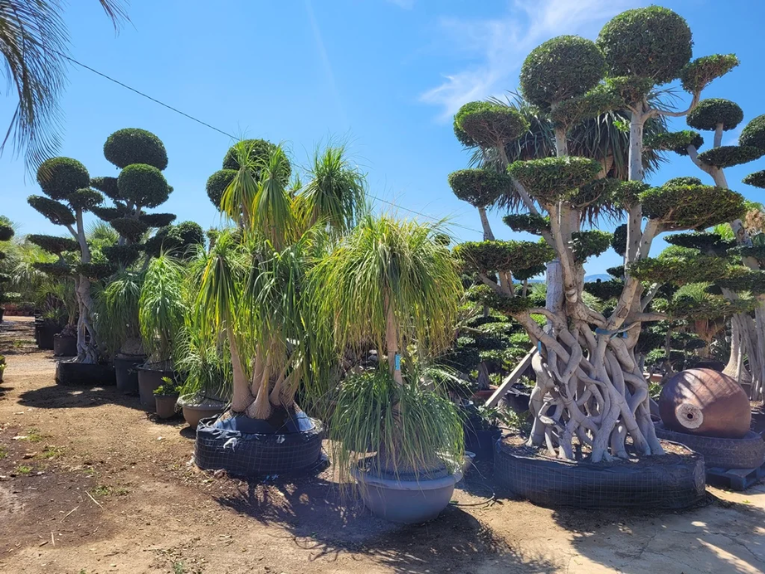
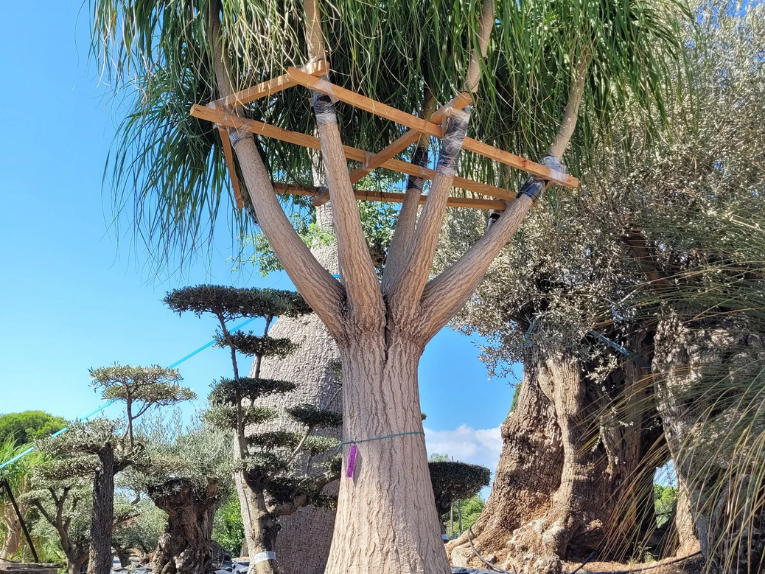
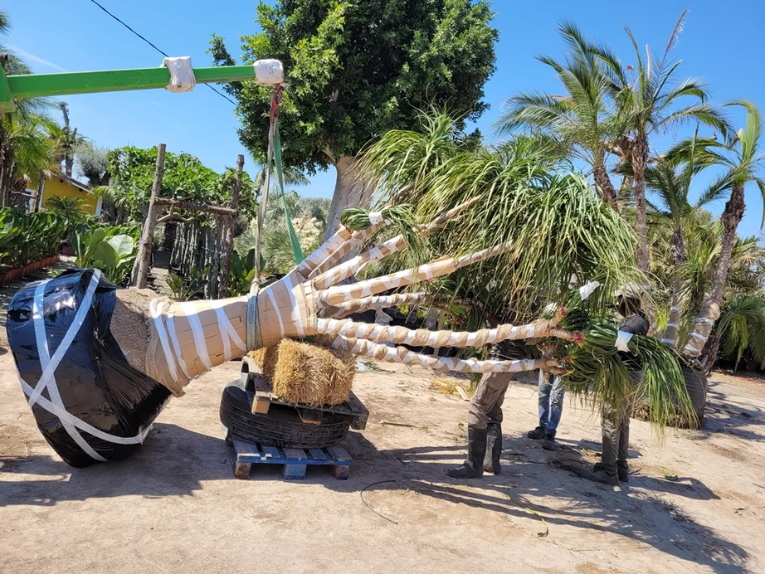
At plantas.net , we offer a wide selection of Beaucarnea trees in different sizes and formats, ideal for any type of landscaping project:
- Young potted plants , perfect for those who want to see their development from the beginning.
- Medium-sized specimens , ready to be transplanted into gardens and terraces.
- Fully grown adult Beaucarneas , ideal for high-impact landscaping and xeriscaping projects .
All of our plants are grown in specialized nurseries , ensuring healthy, resilient plants that adapt well to their new environment. We also provide personalized advice to help you choose the best option for your needs.
If you are looking for a sculptural, hardy, and low-maintenance plant , Beaucarnea is the perfect choice for modern gardens, urban landscaping, and interior design .
Beaucarnea Care
Beaucarnea is a low-maintenance plant, but it does require some care to ensure its optimal development and longevity.
1. Sun exposure and location:
- It prefers full sun , although it can adapt to semi-shade indoors.
- Ideal for open spaces, sunny terraces and dry gardens .
2. Moderate watering:
- It needs very little water , with watering every 15-20 days in summer and even less in winter.
- Waterlogging should be avoided , as the roots can rot if there is excess moisture.
3. Soil and fertilization:
- It prefers sandy and well-drained soils , although it can adapt to other types of substrate.
- Apply fertilizer once in spring and summer to stimulate growth.
4. Pruning and maintenance:
- It does not require frequent pruning, but dry leaves can be removed to improve its appearance.
- Indoors, dust leaves to improve photosynthesis.
5. Protection against pests and diseases:
- It is resistant to pests, although in low humidity conditions it can be attacked by mealybugs or mites .
- In humid climates, it is recommended to avoid overwatering to prevent fungus at the base .
By following these care guidelines, the Beaucarnea will retain its natural elegance and resistance , becoming a key piece in modern gardening and sustainable landscaping .
Beaucarnea Purchase Conditions
If you're looking to purchase a Beaucarnea , at plantas.net we offer an exclusive selection of this hardy, ornamental plant , guaranteeing quality and a simple, secure purchasing process . Below are our terms and conditions:
- Variety of options: We have Beaucarneas in different sizes , from young potted plants to fully grown specimens , ready for planting in gardens, terraces and landscaping projects.
- Home delivery: We ship throughout Europe , ensuring that your Beaucarnea arrives at its destination in perfect condition .
- Competitive Prices: We offer affordable prices and special discounts on volume purchases , ideal for urban projects, private gardens and xeriscaping .
- Simple purchasing process: Our online store makes it easy to select and purchase your Beaucarnea , ensuring secure packaging and proper shipping .
- Personalized advice: We have a team of gardening and landscaping experts to answer all your questions about location, watering, and ideal care .
- Terms and Conditions: Before completing your purchase, we recommend that you read our terms and conditions , where you will find information on warranties, returns, and other important aspects .
Other plants related to Beaucarnea
If you're interested in Beaucarnea , our shop also features other hardy and structural species that complement its presence in sustainable gardening and landscaping projects . Some recommended options include:
- Dracaena draco: Similar in resistance, with a sculptural silhouette and extreme longevity .
- Yucca rostrata: Slow -growing and elegant , with blue leaves and great resistance to drought.
- Nolina recurvata (Elephant's Foot): With a thickened trunk and decorative foliage , ideal for indoors and outdoors.
- Dasylirion longissimum: With long and structured foliage , perfect for modern and desert gardens .
- Agave americana: With a robust aesthetic and great resistance, ideal for xeriscaping.
These species, together with Beaucarnea , can transform any space into an exotic, minimalist and sustainable landscape , bringing freshness, elegance and low maintenance to gardens, terraces and urban spaces .
Conclusion
The Beaucarnea is a unique and resilient plant , ideal for interior design, modern gardens, and sustainable landscaping . Its cascading foliage, splayed trunk, and water-retaining capacity make it an ideal choice for:
- Low-maintenance gardens and xeriscaping
- Interior decoration and bright terraces
- Contemporary landscaping and modern spaces
- Minimalist designs and dry patios